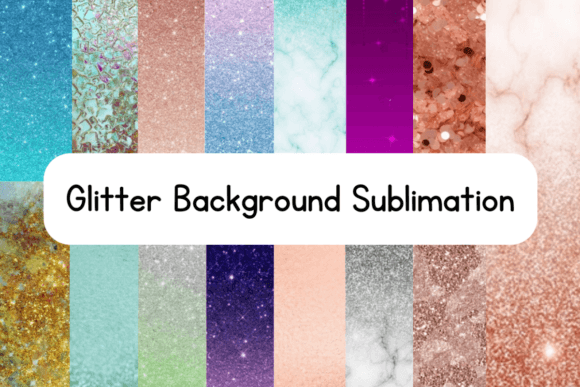
Adding Dimension to Your Designs with Glitter Background Sublimation
In a crowded marketplace, standing out isn't just a goal; it's a necessity. We've all seen the standard sublimation prints—the vibrant colors, the crisp lines. They're effective, but they've also become common. What if you could inject a tangible sense of luxury, energy, and fun into your products? This is precisely where Glitter Background Sublimation enters the conversation, transforming good designs into unforgettable ones. It’s not just a printing method; it's a design choice that communicates value and personality at a glance.
Understanding the Sparkle: More Than Just a Pretty Effect
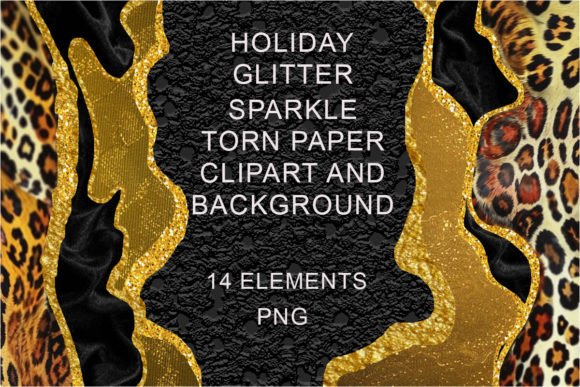
At its core, glitter background sublimation is a specialized technique within the dye-sublimation family. Traditional sublimation uses heat to turn dye into a gas, which then permeates and bonds with a polymer-coated substrate, creating a permanent, vibrant image. The "glitter" component is achieved by using substrates—typically fabrics or rigid materials—that have a specialized coating embedded with fine, reflective particles. When the sublimation dye transfers onto this surface, it interacts with these particles. The result is a design where the color itself seems to shimmer and catch the light, creating a dynamic, textured background that flat prints simply cannot replicate.
The visual characteristics are immediately distinct. The effect isn't a uniform, metallic sheen but a more organic, scattered sparkle that adds depth and movement. This texture can evoke a range of personalities: from the playful and celebratory feel of party supplies to the high-end, luxurious texture on a cosmetic bag. It’s a creative font for your product's background—a way to set a tone before a single word of a logo is read. The appeal lies in its ability to make a product feel more tactile and premium, even from a distance.
Strategic Applications: Where Glitter Sublimation Shines Brightest
Knowing what it is matters less than knowing where to use it. This technique is a powerful tool in your design assets kit, but its effectiveness is context-dependent. Think of it like a bold display font—you wouldn't set a novel in it, but it's perfect for a headline.
For Entrepreneurs and Small Business Owners: This is where the ROI becomes clear. Products utilizing glitter background sublimation command a higher perceived value. Consider a small-batch creator making cosmetic pouches or tote bags. A standard print might sell, but one with a subtle, shimmering galaxy or a sparkling marble effect instantly positions itself as a boutique item. It’s a key differentiator in product photography for social media graphics and e-commerce listings, grabbing the scroller's eye with its light-catching properties. For packaging design of special edition products, it can signal exclusivity and celebration.
For Designers and Brand Strategists: When building a brand identity, consistency is king, but so is memorable impact. A glitter sublimation element can be a signature part of a brand's visual language, used consistently on merchandise, event backdrops, or premium client gifts. It’s a way to build recognition through texture and finish, not just color and shape. In editorial design for magazines or lookbooks, it can be used on the cover or section dividers to add a tactile, aspirational quality. For web design, while you can't use the physical texture, the aesthetic of glitter sublimation can inspire digital backgrounds and graphics that mimic the effect, creating a cohesive brand experience online and offline.
For Crafters and Hobbyists: The joy here is in personalization. Custom gifts—like a sparkly phone case for a friend's birthday, a celebratory graduation tumbler, or festive holiday ornaments—gain an extra layer of thoughtfulness and perceived effort. It elevates a homemade gift to a professional-looking keepsake.
Practical Guidance: Choosing and Implementing Glitter Elements
Integrating this technique effectively requires a designer's mindset, not just a printer's. Here’s how to approach it practically.
Evaluating Project Fit: First, ask: Does this project call for celebration, luxury, or bold energy? A children's brand, a cosmetics line, a wedding stationery suite, or a music festival poster are natural fits. A corporate law firm's annual report is not. Match the sparkle's personality to the project's core message.
Font Pairing and Visual Hierarchy: This is critical. A glitter background is visually dominant. To maintain readability and a clear visual hierarchy, your typography must be strong and simple. Pair it with a clean, bold sans serif font for headlines that need to pop against the texture. For a more elegant or feminine feel, a classic serif font with good weight can work beautifully. Avoid overly detailed script fonts or delicate handwritten fonts as the primary headline, as the competing textures will create visual noise. The glitter background acts like a complex display font; your text elements should provide clear, readable contrast.
Testing and Sourcing: Always, always order a test print. Colors interact differently with glitter particles than with a flat white surface. A vibrant pink might look more subdued, while a deep blue could gain incredible depth. Source your sublimation blanks (the coated products) from reputable suppliers to ensure consistent quality and a durable finish. Understand that not all "glitter" coatings are the same; some offer a fine, subtle shimmer, while others are chunkier and more dramatic.
Licensing and Commercial Use: If you are using pre-designed glitter background digital files (as design assets), scrutinize the license. Many premium font and graphic marketplaces offer assets with specific commercial use terms. Ensure the license covers the scale of your production, whether you're making 50 items or 5,000. For logo design, using a glitter texture is generally not advised, as logos need to be versatile and reproducible in single colors. However, using it in the application of a logo—on merchandise, for example—is a smart strategy.
In essence, glitter background sublimation is a powerful tool in the modern typography and design toolkit. It’s a commercial font